

Mia Editorial Team

Most organizations are watching the AI model race from the sidelines, trying to figure out which model won the latest benchmark and whether they should care.
They should. But not for the reasons most headlines suggest.
The past six months have brought a cascade of major releases. Claude Opus 4.6 arrived in February 2026 with a 90.2% score on BigLaw Bench and the highest agentic coding performance Anthropic had achieved to date, triggering a wave of investor concern about AI's impact on traditional software businesses (Digital Applied, 2026). Claude Fable 5 followed in June, the first publicly available Mythos-class model, described by Anthropic as the most capable it had ever released to the public. Claude Sonnet 5 and Opus 4.8 arrived in July, pushing agentic coding further into mainstream enterprise use. Each release arrived faster than the last.
But the most instructive moment for enterprise AI strategy was not a launch. It was a shutdown.
The 19 days that changed how organizations think about AI
On June 12, 2026, the U.S. Department of Commerce issued an export control directive that forced Anthropic to shut down Claude Fable 5 and Mythos 5 globally. For 19 days, organizations that had built workflows around those models lost access entirely. Enterprise clients in finance, healthcare, and critical infrastructure lost access to tools embedded in production workflows with no prior warning (MarketScale, 2026).
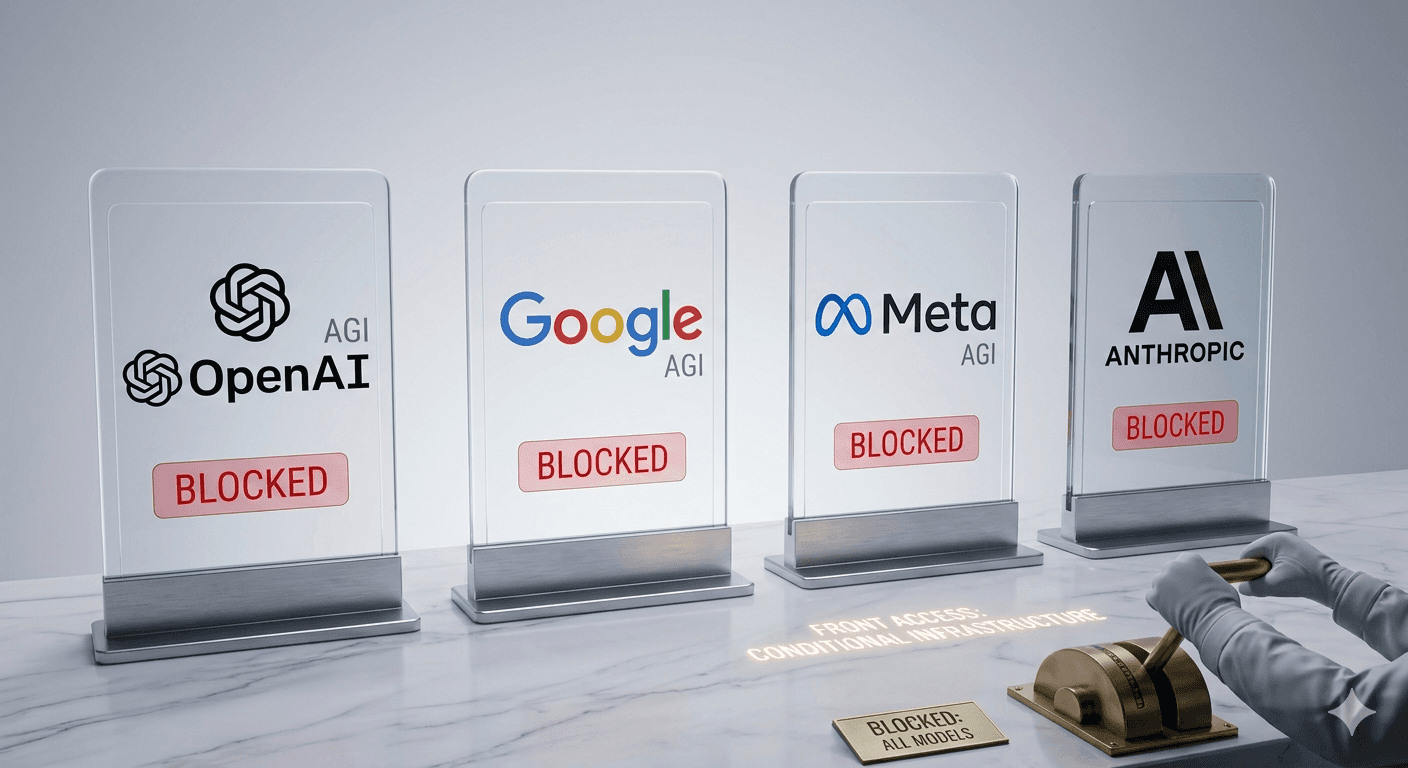
On June 30, Commerce lifted the controls and access was restored. But the disruption left something behind. As one analyst quoted in CIO Magazine framed it: "Frontier access has become conditional infrastructure" (MarketScale, 2026).
For business leaders, the lesson is direct. Organizations that had built critical operations around a single frontier model were exposed in a way they had not planned for. Diversifying across model tiers, using the right model for each task rather than defaulting to one provider, is now as much a risk management decision as a cost optimization.
The market is tiering, and that changes your buying logic
Beneath the headline releases, the more important shift is structural. The AI model market is splitting into three distinct tiers.
At the top, frontier models like Claude Fable 5 offer exceptional capability for long-horizon, complex tasks. Stripe used Fable 5 to complete a migration across a 50-million-line codebase in a single day (Spicy Advisory, 2026). That kind of capability is real. So is the $10 per million input tokens price tag and the 30-day data retention requirement.
In the middle tier, models like Claude Sonnet 5 and Opus 4.8 deliver near-flagship performance at significantly lower prices. EY deployed an agentic coding platform built on this tier across tens of thousands of U.S. consultants and reported a 70% lift in software development productivity (AIApps, 2026).
At the lower end, open-weight models like Kimi K2.7 Code, now available directly inside GitHub Copilot, give cost-aware teams a cheaper route for routine work with usage-based billing (AIApps, 2026).
The question is no longer which model is best. It is which model is right for this specific task, at this cost, within your current access and compliance constraints.
What actually separates the organizations generating returns
The model race is accelerating. But the organizations generating real returns from it are not necessarily those with the fastest access to the newest releases.
They are the ones whose people know how to work with AI effectively, through structured ai upskilling, role-specific ai training for employees, and the applied judgment to know when to use a frontier model, when a mid-tier model is sufficient, and when to escalate a concern about an AI output.
The model race will keep accelerating. If you want to understand where your workforce stands today, start with a readiness assessment at themia.ai."
Sources
AIApps. (2026, July 2). Top AI news for July 2026: Breakthroughs, launches and trends you can't miss. AIApps. https://www.aiapps.com/blog/top-ai-news-july-breakthroughs-launches-trends/
Digital Applied Team. (2026, February 5). Claude Opus 4.6: Features, benchmarks, and pricing guide. Digital Applied. https://www.digitalapplied.com/blog/claude-opus-4-6-release-features-benchmarks-guide
MarketScale Newsroom. (2026, July 1). Fable 5 and Mythos 5 are back: What the 19-day shutdown taught every enterprise about AI as infrastructure. MarketScale. https://www.marketscale.com/industries/software-and-technology/fable-5-and-mythos-5-are-back-what-the-19-day-shutdown-taught-every-enterprise-about-ai-as-infrastructure
Spicy Advisory. (2026, June 9). Claude Fable 5 for business: Guide, pricing and rollout. Spicy Advisory. https://spicyadvisory.com/blog/claude-fable-5-business-guide
About


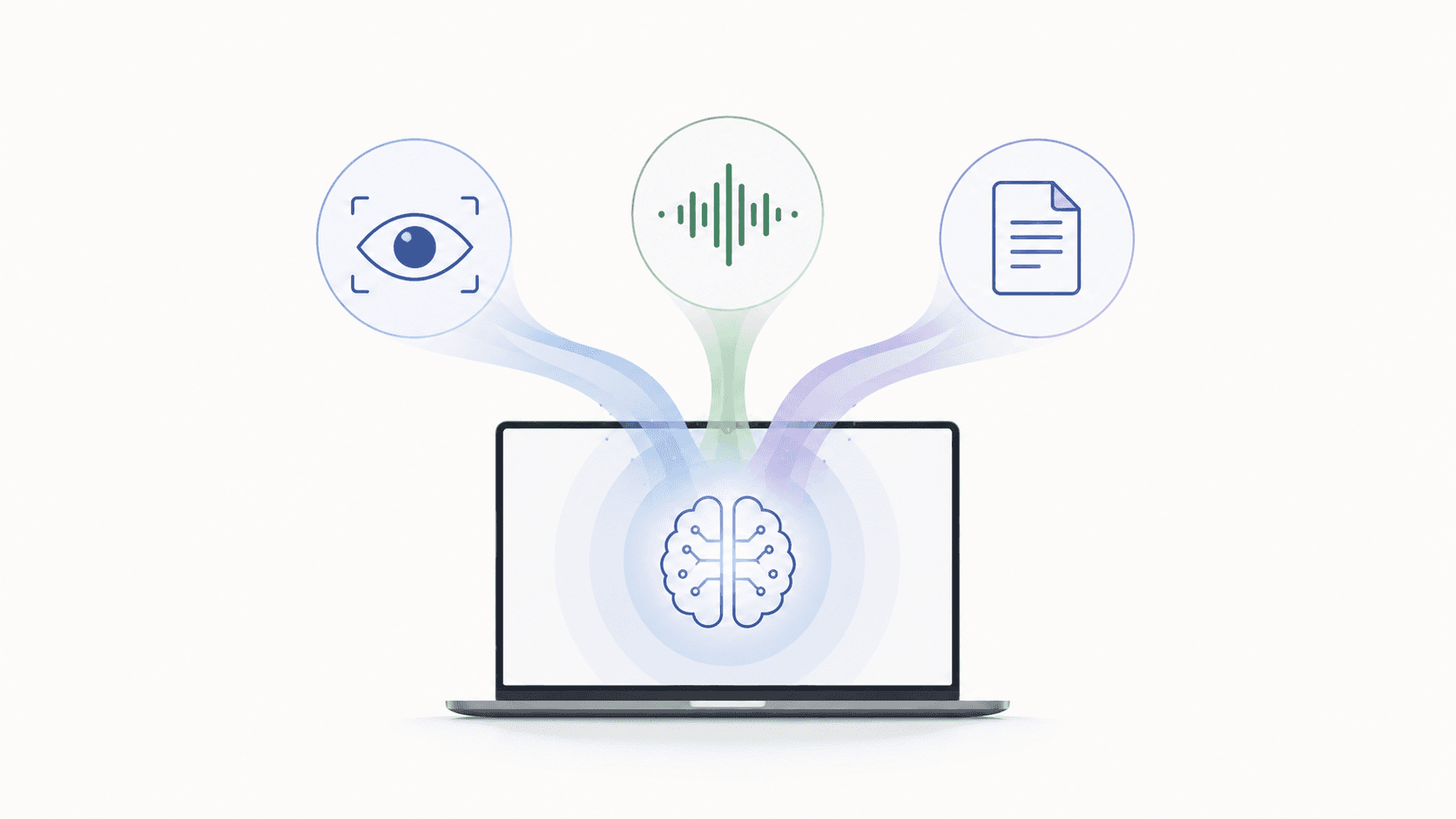
Multimodal AI: What Happens When Your AI Can See, Hear, and Read at the Same Time

AI Agents Are Moving From Labs Into Business Products: What It Means for Your Organization

AI Regulation Is Tightening: What Your Organization Needs to Know