

Mia Editorial Team

Most organizations treat Artificial Intelligence (AI) workforce readiness as a technology project. Tools get deployed, licenses get assigned, and Information Technology (IT) leads the rollout. Human Resources (HR) is consulted afterward, usually to communicate the change or handle training logistics.
That sequencing is one of the most consistent reasons AI transformations stall.
91% of Chief Human Resources Officers (CHROs) rank AI and workplace digitization as their top strategic concern (SHRM, 2026). Yet only 19% of HR leaders consider the emotional and psychological impact of AI as part of their digital implementation strategy (Mercer, 2026). The ambition is there. The execution is lagging.
The organizations that close that gap are the ones where HR does not wait to be consulted. They lead.
Why HR Owns the AI Readiness Agenda
Building an AI-ready workforce is not primarily a technology challenge. IT can deploy the tools. Learning and Development (L&D) can build the curriculum. But neither function has the mandate to connect AI capability building to business strategy, manage cultural change, and ensure the workforce is both equipped and willing to use AI in ways that create value.
That mandate belongs to HR.
Evolving the HR operating model has the highest predicted impact on AI productivity gains of any single intervention, at 29% (Gartner, 2026). Not deploying new tools. Not hiring AI talent. Evolving how HR itself operates.
The urgency is real. 82% of boards and chief executives say they will reduce up to 20% of their workforces in the next three years because of AI (Korn Ferry, 2026).
Without HR designing redeployment pathways, building AI upskilling programs, and managing the human dimensions of that transition, those reductions create disruption rather than value. 84% of CHROs expect upskilling in AI-specific skills to increase significantly in the coming year (SHRM, 2026). The question is not whether this work will happen. It is whether HR will lead it.
Start With an Honest Assessment
Before designing any AI training for employees, HR leaders need an accurate picture of current capability: not a confidence survey, but a genuine assessment of what employees can actually do with AI in their specific roles.
Only 32% of C-suite leaders believe their workforce can effectively combine human and machine capabilities today. C-suite confidence in their own preparedness has dropped from 65% in 2024 to 51% in 2026 (Mercer, 2026). As organizations invest more in AI, they are discovering the readiness gap is wider than they thought.
59% of HR leaders identify difficulty attracting talent with vital digital skills as their top workforce challenge in 2026 (Mercer, 2026). This is not a hiring problem. It is a capability development problem that starts inside the organization.
Effective workforce AI readiness assessment operates at three levels: individual capability by role, team-level workflow integration, and organizational governance and culture. Each reveals different gaps that completion dashboards cannot surface. Platforms like Mia AI are built specifically for this diagnostic work, helping HR leaders move from assumptions to verified, role-specific capability data.
Design Programs That Build Capability, Not Completion
The most common failure mode in corporate AI training is measuring the wrong thing. Completion rates look good on dashboards. They do not reveal whether the workforce can use AI to create business value.
62% of organizations are deploying AI somewhere in their operations, yet only 39% have adopted it within the HR function itself (SHRM, 2026). HR leaders are designing AI training programs for a transformation they have not yet fully navigated themselves.
The demand is real. 63% of employees say they would trade a 10% pay increase for AI and digital upskilling opportunities (Mercer, 2026). What they need is programs designed to actually deliver capability, not completion certificates.
Effective employee AI training programs share several characteristics:
• Built around specific business functions and real workflows, not generic AI literacy modules.
• Structured progression from foundational AI literacy and AI governance training through to applied skills and workflow transformation.
• Measured by what employees can do differently, not hours logged or modules completed.
• Continuously reinforced through application in real work, not delivered as a one-time event.
This is the design logic behind how Mia AI structures its corporate AI training programs: progression from awareness through applied skills, built by function, measured by capability output. The goal is not employees who have taken a course. It is employees who work differently because of it.
Address the Emotional Dimension Most Programs Miss
Technical capability is only one dimension of AI workforce readiness. The emotional and psychological response to AI transformation is equally important, and consistently underweighted.
Employee concern about job loss due to AI has surged from 28% in 2024 to 40% in 2026. Only 44% of employees report thriving at work, the lowest level Mercer has recorded, lower than during the COVID-19 pandemic. 62% believe their leaders underestimate AI's emotional impact (Mercer, 2026).
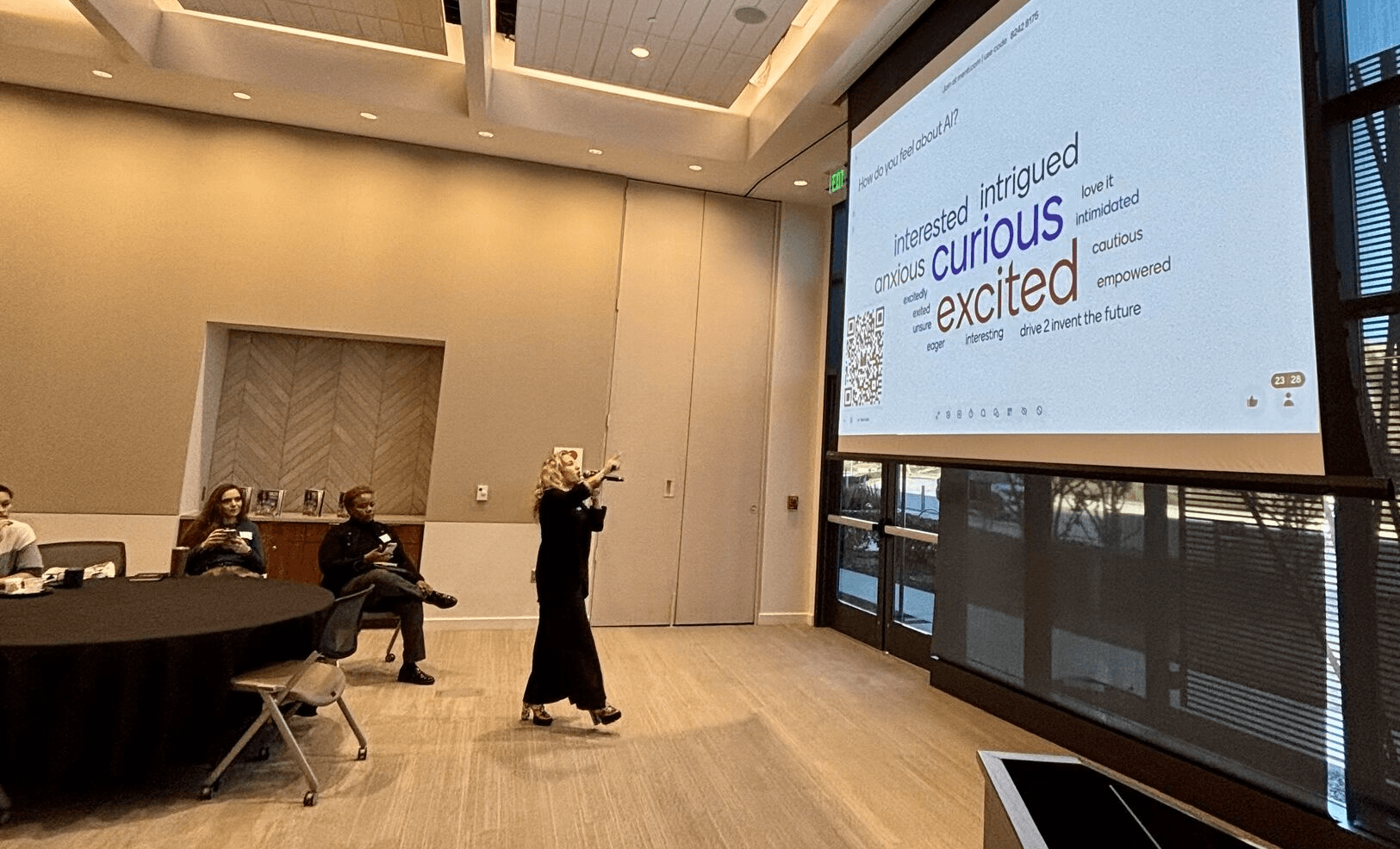
An anxious workforce does not adopt AI effectively. Fear of obsolescence leads to avoidance. More than 60% of employees say they would stay in a job they dislike if it provided fast upskilling opportunities (Korn Ferry Workforce 2025 Survey). HR leaders who channel that desire through structured AI upskilling, transparent communication, and clear AI governance training turn anxiety into engagement.
AI governance training is not just compliance. When employees understand which tools are approved, what data can be shared, and how outputs should be reviewed, they engage with AI more confidently. Governance is a trust-building mechanism.
Embed AI Into Leadership Development
46% of CHROs cite leadership and manager development as their top priority for 2026, the second consecutive year it has ranked first (SHRM, 2026). Many organizations treat this as a separate initiative from AI capability building.
It is not separate. It is the same initiative.
A manager who does not understand AI cannot credibly encourage their team to integrate AI into human workflows. A senior leader without applied AI skills cannot make informed decisions about which AI investments are worth making. 75% of leaders acknowledge the need to become more digital, yet only 30% rate their own digital agility as high (Mercer, 2026).
Gartner's 2026 CHRO priorities describe this as "shaping work in the human-machine era" through a "now-next talent strategy for a blended workforce" (Gartner, 2026). That strategy requires leaders who understand both halves of that blend.
AI courses for HR leaders and leadership development programs should not be two separate catalog items. The middle management layer is where this matters most: they translate AI strategy into daily team behavior, and are also, according to Korn Ferry, the layer most at risk as organizations flatten structures to accommodate AI. Their AI capability is both a performance and retention investment.
Measure What Actually Matters
Most organizations track training inputs: completions, hours logged, percentage of workforce trained. These satisfy reporting requirements. They do not reveal whether the workforce is more capable of using AI to create business value.
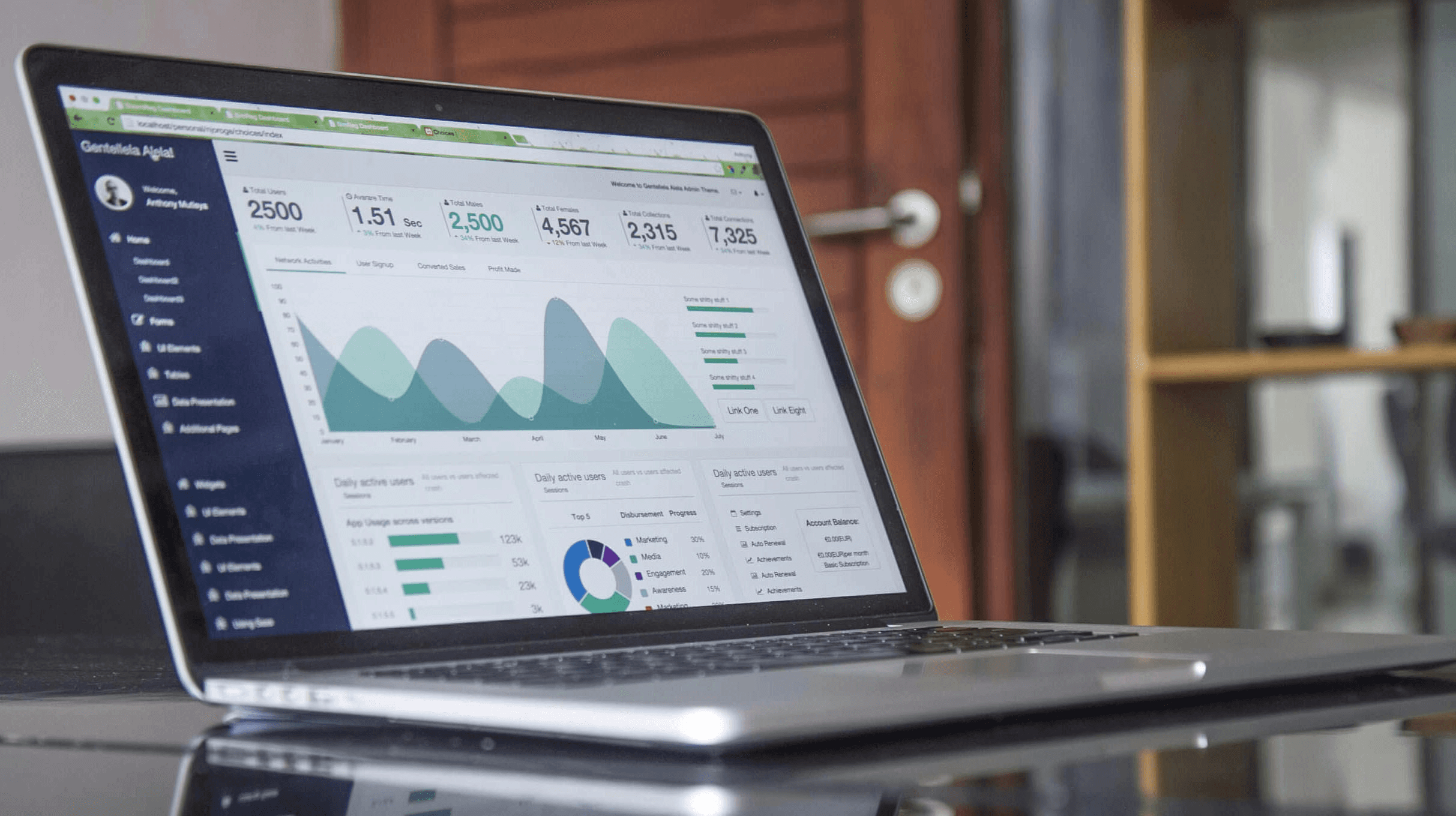
The metrics that reveal true AI readiness are different:
• Are employees using AI in actual workflows, or only in training environments?
• Have specific business processes changed because of AI integration?
• Are managers observing different output quality from their teams?
• Can employees articulate where AI creates value in their specific role?
77% of investors are more likely to invest in companies demonstrably committed to AI education and training (Mercer, 2026). Workforce AI readiness is becoming a financial signal, not just an HR metric. With 98% of executives planning organizational design changes in the next two years, demonstrating that AI upskilling produces measurable capability change will become a boardroom conversation.
HR's Defining Moment
65% of executives expect to redeploy or reskill between 11% and 30% of their workforce due to AI in the next two years (Mercer, 2026). The organizations that navigate that transition well will not do so because they had better technology.
They will do so because their HR leaders made workforce AI readiness a strategic priority, built programs that develop genuine capability, addressed the emotional dimensions most organizations ignore, and measured outcomes rather than activity.
That is not a technology project. It is a human leadership project. And for HR leaders ready to lead it, Mia AI is built to support every stage: from initial readiness assessment through to role-specific AI training for employees, continuous reinforcement, and the capability measurement that turns AI investment into demonstrable business impact.
The question is not whether your organization needs an AI-ready workforce. It already does. The question is who is going to build it.
Sources
Gartner. (2026). Top CHRO priorities for 2026. Gartner Human Resources Practice. https://www.gartner.com/en/human-resources/trends/top-priorities-for-hr-leaders
Korn Ferry. (2026). HR trends to watch in 2026. Korn Ferry Insights. https://www.kornferry.com/insights/featured-topics/leadership/hr-trends-to-watch
Korn Ferry. (2025). Workforce 2025 survey. Korn Ferry. https://www.kornferry.com/insights/featured-topics/future-of-work/workforce-2025
Mercer. (2026). Global Talent Trends 2026. Mercer. https://www.mercer.com/about/newsroom/mercer-s-global-talent-trends-2026-report/
Society for Human Resource Management (SHRM). (2026). State of AI in HR 2026. SHRM. https://www.shrm.org/topics-tools/research/state-of-ai-hr-2026
Society for Human Resource Management (SHRM). (2026). 2026 CHRO priorities and perspectives. SHRM. https://www.shrm.org/about/press-room/what-will-work-look-like-in-2026--new-shrm-research-reveals-how-
About